
Do Sulfates Weaken Your Hair?
Apr 26th 2026
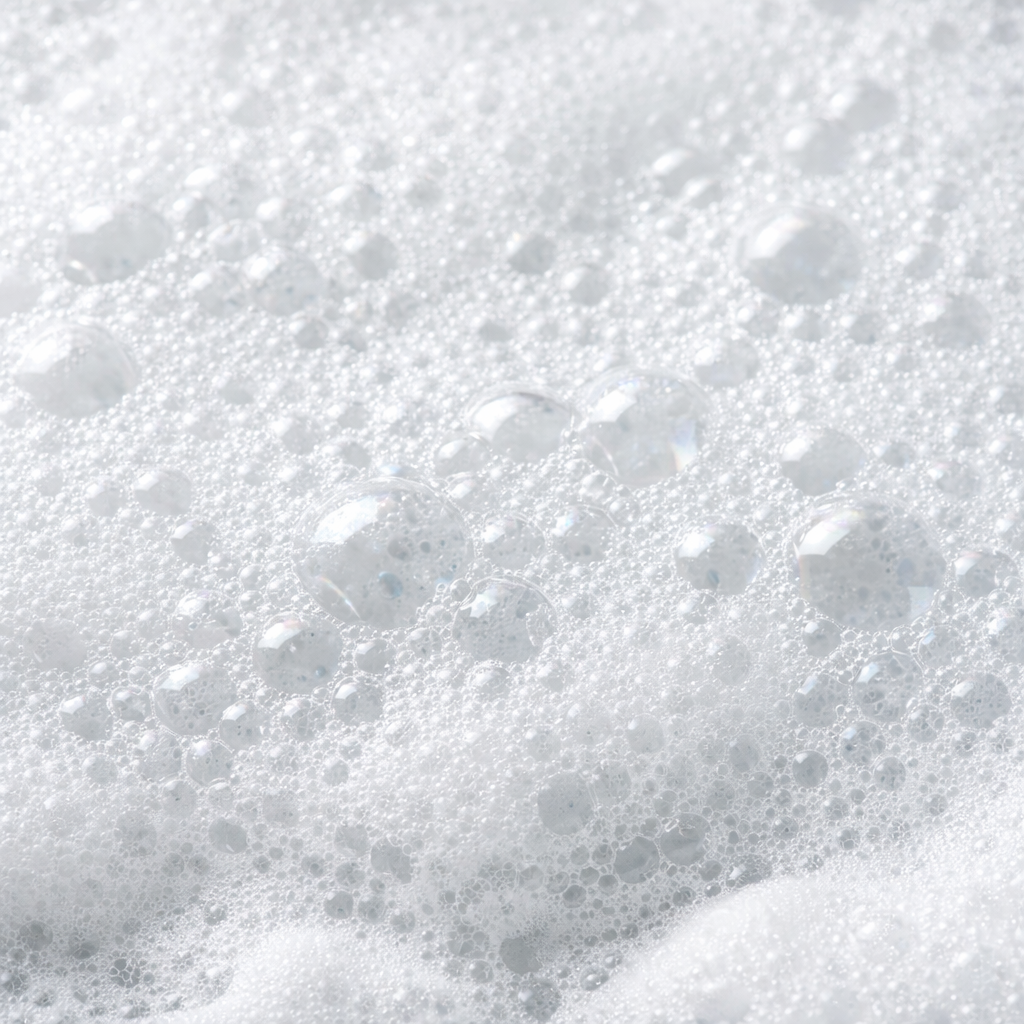 Sulfates, in various forms, still dominate as the lathering ingredient in most household items that require a sudsing, cleaning action. This includes not only household cleaning products like dish soaps and laundry detergents, but many personal care products that require a cleansing action, and where high lather tends to equate in the consumers mind to effective surface cleaning.
Why Did Sulfates Get So Popular?
Sulfates are really good at sudsing, that’s why! They don’t take a lot by volume to add to a base in order to provide that frothing, bubbly action that so many customers have come to expect. In fact, they can provide a huge mound of suds in no time. However, when it comes to using sulfates on our hair, it’s prudent to take pause and examine exactly what this sometimes extreme lathering action is costing us when it comes to our hair and scalp health.
Related: Can Infrequent Hair Washing Lead to Hair Loss?
Sulfates were originally used in industrial cleaning products. They eventually made their way into personal care and beauty products as an inexpensive way to give products that soapy, sudsy effect.
The Plentiful Suds Surely Means Something is Doing It’s Job, Right?
We tend to psychologically equate this with getting something really clean – ie ‘squeaky clean’ since we’ve been so conditioned over the past several decades by its prevalence in our consumer products. However, when it comes to using sulfates on our hair, it’s prudent to take pause and examine exactly what this sometimes extreme lathering action is costing us when it comes to our hair and scalp health.
While it is true that high suds can equate to a deeper clean, it is also true that this means the cleansing action is going too far when it comes to such a porous material as our hair - especially if your hair is already color treated or otherwise has higher porosity. Sulfate free products that instead use ingredients derived from corn and sugar for a gentler cleansing action can clean just as effectively as sulfates - and at just the right level of depth - without the stripping action.
The Link Between Sulfates and Protein Loss
Because many sulfates are designed to ‘strip’ moisture, oils and surface dirt and debris from the porous surfaces they are meant to clean, this means they can strip our delicate hair strands of much-needed protein and moisture in the process. Our hairs individual strands possess a protective coating on them called a cuticle.
The cuticle must remain intact and smooth in order for our hair to not only feel soft and healthy, but also to look shiny. Smooth cuticles result in a flatter surface that reflects more shine. This smoothing effect also has implications when it comes to frizz.
When the cuticle is compromised or “roughed up” by harsh surfactants the likes of which comprise many sulfates, your hair reacts more to humidity because the cuticle protective layer is not able to do its job in suppressing flyaways (the hair becomes "lighter", more easily broken, and more likely to not lay flat).
Your hair is also more prone to breakage, which is what you’re seeing when there are broken pieces of hair rising up from the crown like jagged spires.
When the cuticle is compromised, your hair is also more susceptible to protein loss. It literally helps keep protein inside your hair shaft. Hair is comprised of nearly 100% keratin, and this precious keratin protein is what keeps the structural integrity of the hair intact.
A strong, consistent cuticle layer is absolutely key to retaining that protein content. Breaks in the cuticle literally provide the opportunity for protein to be leached out. Staying away from harsh and stripping surfactants in your cleansing routine can really help retain the vital moisture and protein content that makes your hair so vibrant. Related: Coconut Oil Helps Replenish Hair Protein Topically
Hydrolyzed Proteins Help to Protect the Cuticle from Damage
Hydrolyzed proteins are a great protective mechanism against cuticle damage. Since they contain the smallest molecules of the protein possible, they can really penetrate and help to fill in those missing gaps in the cuticle. They fill in so effectively that they create a sort of temporary plug for breakages in the cuticle.
Hydrolyzed proteins or aminos, like are found in our Deep Hydration Conditioner, are an essential weapon against breakage, cuticle damage, and protein loss. So if you’re trying to replenish moisture, protein, and cuticle health after using harsh sulfates, then definitely go for products with a high quality hydrolyzed protein or amino acid.
Looking for more information about scalp health and hair biology? See Scalp Health and Hair Biology